When Intimacy Feels Dry: Moisturizer, Lube and Comfort Tips
As an Amazon Associate we earn from qualifying purchases. Product names below are affiliate links. Adults 18+.

Feeling extra dry during intimacy is more common than many people mention. Hormonal changes, medication, stress, breastfeeding, a shorter warmup, or simply a long day can leave things less comfortable than you want. Extra moisture and a slower pace often help. This guide explains the difference between a moisturizer and a lubricant, how to match a formula to condoms or toys, and a few comfort habits worth trying.
Moisturizer and lube do different jobs
A vaginal moisturizer is intended for routine vaginal use to support everyday comfort, following the application schedule on its label. A lubricant is applied in the moment to reduce friction. Many people use both, and it can take a little experimenting to learn what feels good.
If dryness is new, severe, or shows up with pain, itching, unusual discharge, or bleeding, talk with a qualified clinician. Product choices can support comfort, but they are not a substitute for care when something feels medically off.
How to choose what to try
Start with what else you plan to use that day. A formula that works beautifully on its own may not be the right match for a latex condom or a silicone toy.
| Type | When people use it | Things to know |
|---|---|---|
| Vaginal moisturizer | On a routine, for everyday comfort | Read the label for how and how often to apply. This is not the same job as a bottle of lube. |
| Water-based lube | Right before intimacy; easy to reapply | Typically works with latex condoms and most toys. It may absorb as you go, which just means you can add more. |
| Silicone lube | Right before intimacy when you want it to last longer | Usually fine with latex condoms. Do not use it with silicone toys; it can damage the surface. See our lube guide. |
A simple water-based pick is a friendly first try, especially if toys are also in the mix. A longer-lasting silicone option can be worth it if you dislike stopping to reapply and you are not using silicone toys.
Comfort habits that help as much as the bottle
- Give yourselves more warmup time. Rushing is a common reason intimacy feels scratchy or sore. Slowing down is a real strategy, not a delay.
- Use enough, and reapply. A thin smear often is not enough. Reapply when you notice friction or dragging. If anything stings, burns or hurts, pause and stop using any product that may be causing irritation.
- Match the formula to condoms and toys. Water-based options are the most flexible starting point. Skip oil-based lotions and kitchen oils with latex condoms; they can weaken the material. Our condom guide covers fit and sensitive-skin picks.
- Pause if something hurts. Strain in the hips, back, or knees can add to discomfort during intimacy. A positioning pillow or wedge can take pressure off those joints so you can stay comfortable longer.
- Switch if a product bothers you. If a formula warms, tingles, or has a fragrance that stings, stop and try a plainer option. Comfort is the point.
Friendly picks to consider
These are starting points, not a ranked test. Read each current label for directions, ingredients and compatibility, and check with a clinician if you have a history of irritation or an infection.
- Replens Long-Lasting Moisturizer #ad affiliate link: An internal moisturizer option people often consider for routine comfort rather than as a stand-in for lube. Read the label for how to use it. If you want another product in the same category to compare, look at Vagisil ProHydrate Internal Moisturizer #ad affiliate link.
- VMAGIC Organic Vulva Balm #ad affiliate link: An oil-based balm for external vulvar skin only. Keep it outside the vagina and avoid contact with latex condoms because oils can weaken latex. It is not a substitute for lubricant during intimacy; consider it only if the label matches the kind of comfort you want.
- LUBELIFE Water-Based Lubricant (8 oz) #ad affiliate link: A straightforward water-based lube to keep nearby and reapply as needed. It is a flexible first pick when you also use latex condoms or most toys.
- Uberlube Silicone Lubricant #ad affiliate link: A longer-lasting silicone option when a small amount that does not dry out quickly would help. Choose this only if you are not using silicone toys, and see our Uberlube guide if you want more detail.
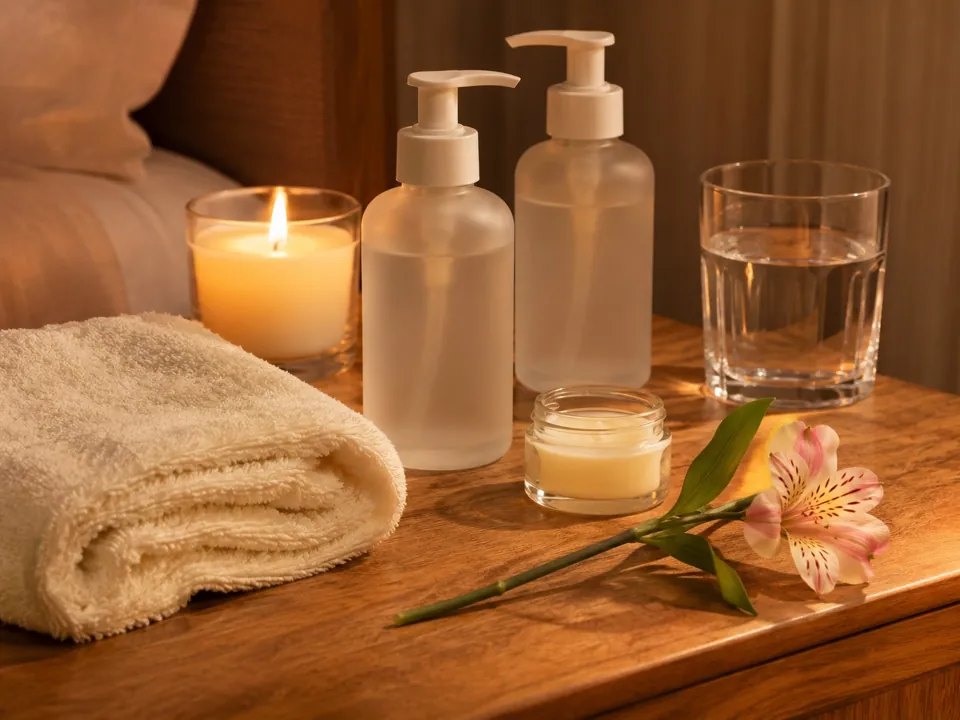
Comfort checklist
- Notice whether you want everyday moisture, in-the-moment slip, or both.
- Read the label before you try a new moisturizer or balm.
- Keep water-based lube nearby and reapply as soon as anything starts to drag.
- Use silicone lube only when it will not touch silicone toys.
- Give yourselves more warmup time than usual.
- Change position or add support if an angle is uncomfortable.
- Stop and switch products if something stings, itches or burns.
- Talk with a clinician if dryness is new, severe or paired with other symptoms.
Bottom line
Comfort usually comes from matching the right kind of moisture to the moment, then giving your body enough time. A routine moisturizer and an in-the-moment lube can work as a pair. Start simple, reapply without fuss, and treat pain as a signal to pause rather than something to push through.
Keep reading
This guide is general information, not medical advice. Bodies and preferences vary; choose what feels comfortable and safe for you, and talk to a qualified professional if you have health concerns.